 EN
EN
 jp
jp  ko
ko  fr
fr  es
es  ru
ru  pt
pt  ar
ar  th
th  vi
vi  id
id 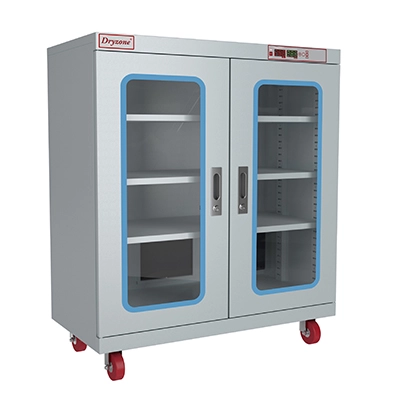
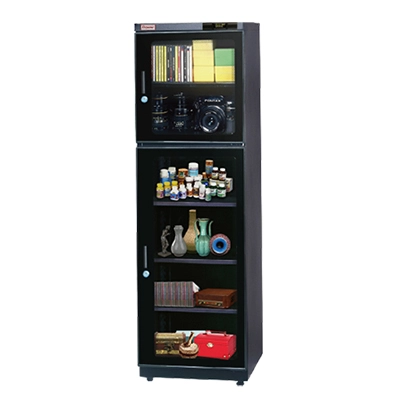
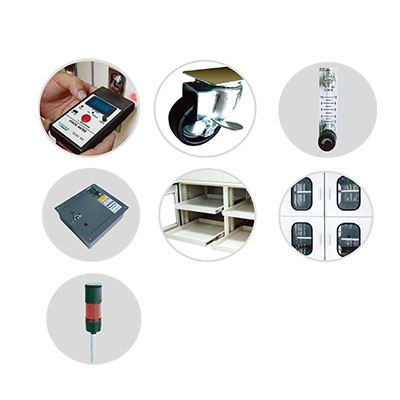
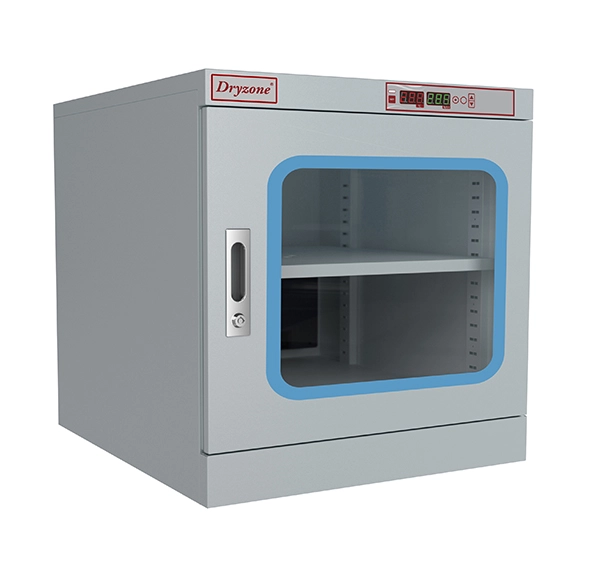
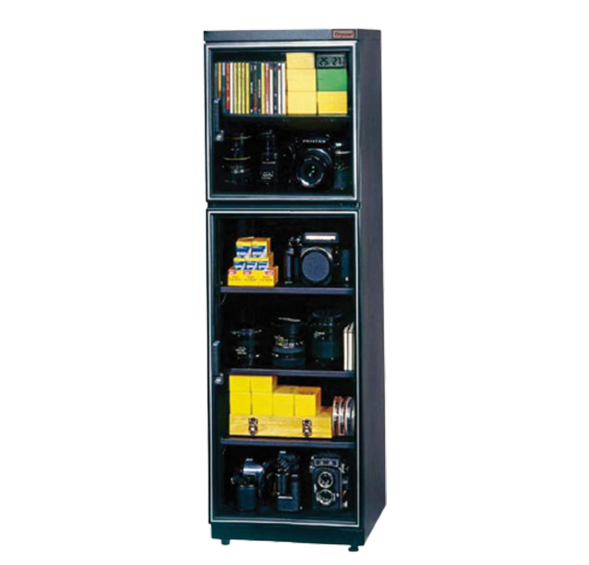
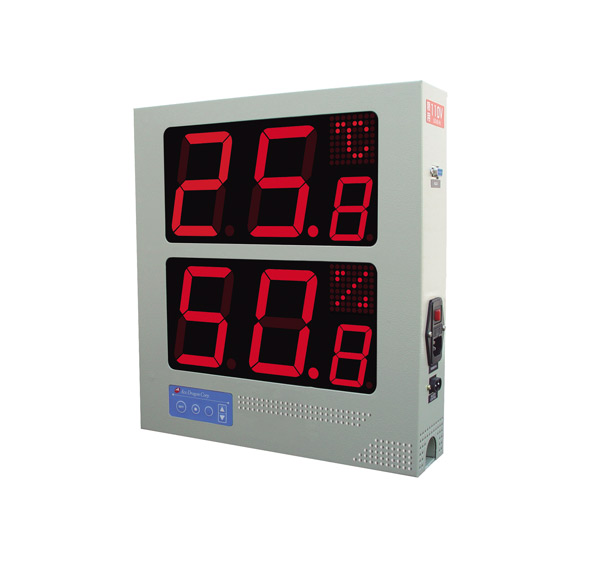

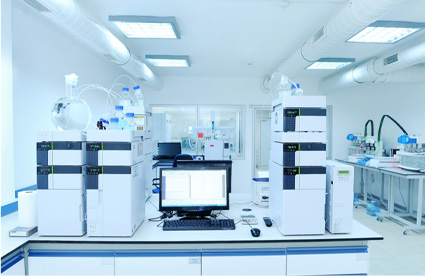

 To Know Dryzone More
Moisture is one of the most common yet overlooked causes of product degradation in industries ranging from electronics manufacturing to pharmaceuticals and scientific research. Components exposed to humidity can suffer from oxidation, corrosion, mold growth, reduced shelf life, and performance failures.
This is where a dry box desiccator becomes an essential storage solution. By maintaining a low-humidity environment, it helps protect valuable materials, improve quality control, and reduce costly losses caused by moisture contamination.
In this guide, we'll explore how a dry box desiccator works, its key applications, and what buyers should consider when selecting the right system for their facility.
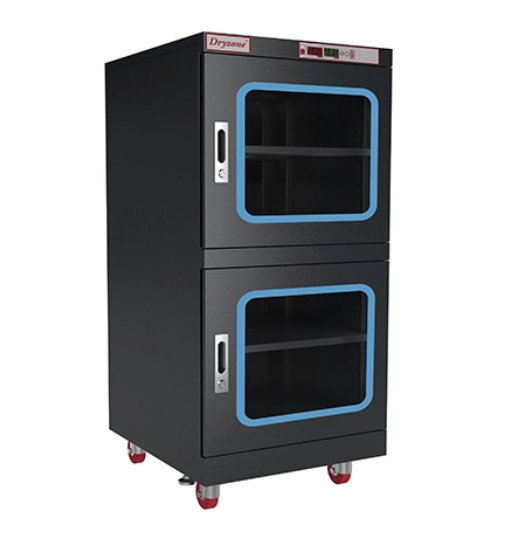
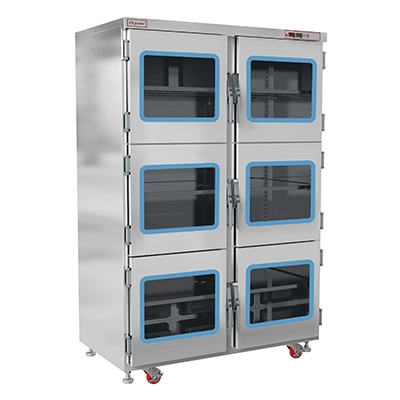
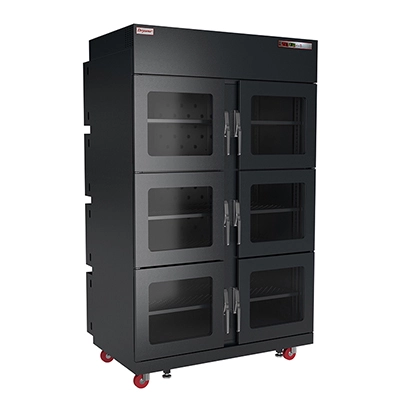
A dry box desiccator is a sealed storage chamber designed to maintain extremely low relative humidity (RH) levels. Unlike standard cabinets or storage containers, it actively controls moisture through desiccants, nitrogen purging, or electronic dehumidification systems.
Its primary purpose is to store moisture-sensitive items in a controlled environment where exposure to atmospheric humidity is minimized.
Commonly stored materials include:
Printed circuit boards (PCBs)
Semiconductor wafers
Electronic components
Optical lenses
Laboratory samples
Pharmaceutical ingredients
3D printing materials
Precision metal parts
By preventing moisture absorption, a dry box desiccator helps preserve product integrity throughout storage and handling.
Many materials are hygroscopic, meaning they naturally absorb moisture from the surrounding air. Even short exposure periods can create significant problems.
A dry box desiccator helps prevent:
Electronic contacts, metal components, and precision instruments can corrode when exposed to humidity over time.
Benefits include:
Longer product lifespan
Improved reliability
Reduced maintenance costs
In electronics manufacturing, moisture absorbed by components may vaporize during soldering and cause internal damage.
Potential issues include:
Delamination
Cracking
Popcorning effects
Reduced assembly yield
Many laboratory chemicals and pharmaceutical substances lose effectiveness when exposed to moisture.
Proper dry storage helps maintain:
Chemical stability
Testing accuracy
Regulatory compliance
Although designs vary, most dry box desiccators operate using one of three moisture-control methods.
| Technology | Humidity Control Method | Typical Applications |
|---|---|---|
| Desiccant-Based | Moisture absorbed by desiccant materials | Laboratory storage |
| Electronic Dehumidification | Automated moisture removal system | Electronics manufacturing |
| Nitrogen Purging | Dry nitrogen displaces humid air | Semiconductor and ultra-low humidity storage |
Traditional desiccators use silica gel or other drying agents to absorb moisture inside the chamber.
Advantages:
Simple operation
Low initial cost
No power consumption
Limitations:
Requires regular desiccant replacement
Humidity control may fluctuate
Electronic dry cabinets continuously remove moisture and maintain stable humidity levels.
Advantages:
Consistent RH control
Minimal maintenance
Suitable for large-scale industrial use
Nitrogen cabinets provide one of the most effective methods of moisture control by replacing ambient air with dry nitrogen gas.
Advantages include:
Rapid humidity reduction
Ultra-low moisture levels
Protection against oxidation
For industries handling highly sensitive electronic components, a nitrogen dry cabinet is often the preferred solution.
Electronic components are highly vulnerable to moisture damage during storage and assembly.
Applications include:
Surface mount devices (SMDs)
Integrated circuits
PCB assemblies
Semiconductor packaging
A dry box desiccator helps manufacturers comply with moisture-sensitive device (MSD) storage requirements and improve production reliability.
Semiconductor wafers and advanced packaging materials require strict environmental control.
Benefits include:
Reduced oxidation risk
Improved yield rates
Better long-term storage stability
Moisture-sensitive compounds may lose potency when exposed to humidity.
A dry box desiccator helps protect:
Active pharmaceutical ingredients (APIs)
Diagnostic reagents
Laboratory standards
Medical research samples
Universities, testing facilities, and industrial laboratories use dry storage systems to maintain sample integrity.
Common materials include:
Chemicals
Biological samples
Optical components
Calibration standards
Not all dry storage solutions offer the same level of protection. Selecting the right system depends on your application requirements.
Different materials require different humidity ranges.
| Storage Requirement | Recommended RH |
|---|---|
| General Laboratory Storage | Below 40% RH |
| Electronics Storage | Below 10% RH |
| Semiconductor Materials | Below 5% RH |
| Ultra-Sensitive Components | Below 1% RH |
Always verify the humidity requirements of your materials before purchasing.
Consider:
Current inventory volume
Future expansion needs
Shelf configuration
Accessibility requirements
Choosing a cabinet that is too small often leads to operational inefficiencies.
Modern dry box desiccators often include:
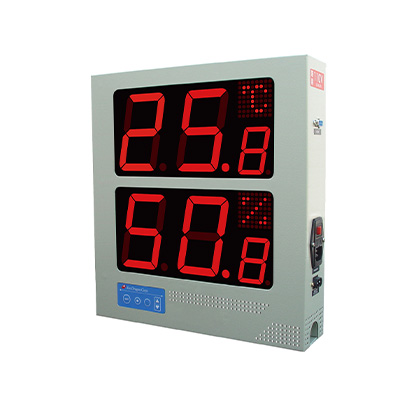
Digital humidity displays
Data logging
Alarm systems
Remote monitoring
These features improve process control and documentation.
For applications requiring ultra-low humidity and oxidation protection, nitrogen-assisted systems provide superior performance.
Solutions such as the nitrogen cabinet systems available from Dryzone are specifically designed for high-value electronic and semiconductor storage environments.
To maximize performance:
Every door opening introduces humid ambient air into the chamber.
Best practice:
Organize inventory efficiently
Minimize access time
Use clear labeling
Even automated systems should be checked periodically.
Track:
RH stability
Temperature
Alarm notifications
For optimal performance:
Replace desiccants when necessary
Inspect door seals
Calibrate sensors according to manufacturer recommendations
Avoid overcrowding shelves.
Proper airflow inside the cabinet helps maintain consistent humidity throughout the storage space.
As electronics become smaller and more sophisticated, moisture control requirements continue to increase.
Emerging trends include:
Smart IoT-enabled monitoring
Automated humidity management
Predictive maintenance systems
Energy-efficient dehumidification technologies
Integrated traceability and compliance reporting
These innovations help manufacturers improve quality assurance while reducing operational costs.
A dry box desiccator is far more than a storage cabinet—it is a critical tool for protecting moisture-sensitive materials, reducing defects, and ensuring long-term product reliability.
Whether you're storing electronic components, semiconductor materials, laboratory samples, or pharmaceutical products, maintaining a controlled low-humidity environment can significantly improve product quality and operational efficiency.
For applications requiring ultra-low humidity and oxidation protection, advanced nitrogen cabinet solutions offer an effective and scalable approach to moisture control. Investing in the right dry storage system today can help prevent costly failures and protect valuable inventory for years to come.
A dry box desiccator actively controls humidity levels, while a standard cabinet provides no moisture protection.
The ideal humidity depends on the application. Electronics often require below 10% RH, while semiconductor materials may require below 5% RH.
Yes. By reducing moisture exposure—and in some systems using nitrogen purging—a dry box desiccator can significantly reduce oxidation and corrosion risks.
Replacement frequency depends on environmental conditions and usage. Manufacturers typically provide maintenance guidelines for specific systems.
For ultra-sensitive materials requiring extremely low humidity and oxidation protection, nitrogen cabinets generally provide superior performance and faster humidity recovery.
National Institute of Standards and Technology (NIST) — Guidance on environmental control and material preservation.
U.S. Food & Drug Administration (FDA) – Pharmaceutical Stability Guidance
National Center for Biotechnology Information (NCBI) — Research on moisture effects in pharmaceutical and laboratory materials.