 EN
EN
 jp
jp  ko
ko  fr
fr  es
es  ru
ru  pt
pt  ar
ar  th
th  vi
vi  id
id 
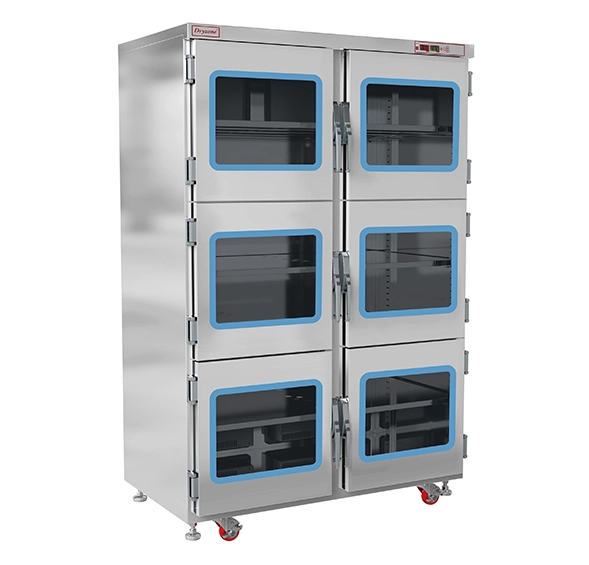

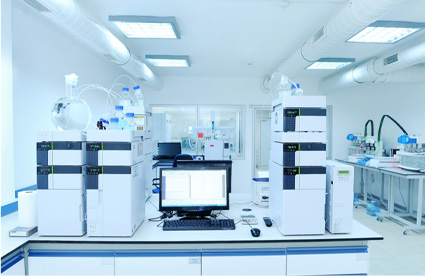
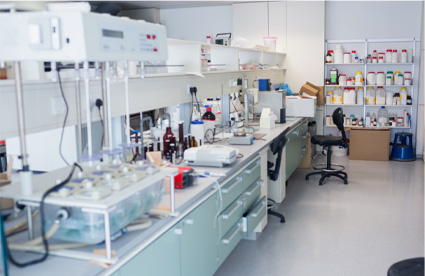
 To Know Dryzone More
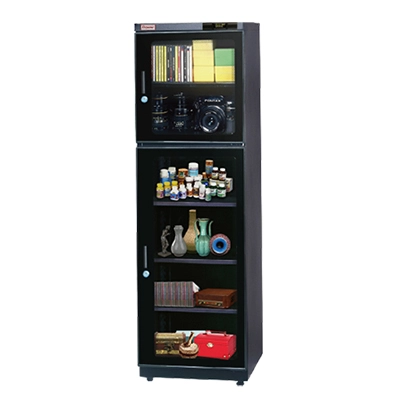
A commercial drying cabinet is usually the right choice for general humidity-controlled storage of cameras, instruments, collectibles, and other moisture-sensitive items. An industrial drying cabinet is better when the application requires ultra-low humidity, ESD protection, larger capacity, faster humidity recovery, alarms, or continuous operation in electronics and production environments.
The most important point is not the product label. "Commercial" and "industrial" are not universally standardized categories, so buyers should compare the required RH range, storage capacity, access frequency, ESD requirements, and process integration before selecting a cabinet.
Commercial drying cabinets are typically designed for moderate humidity control and relatively straightforward storage applications. They prioritize easy operation, practical capacity, low maintenance, and cost efficiency.
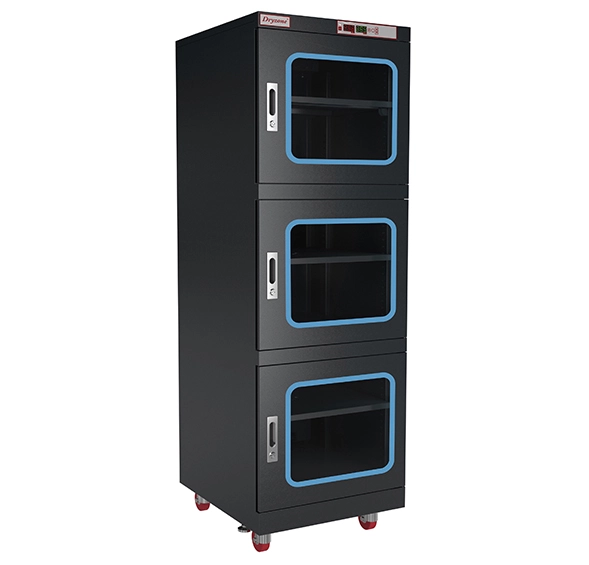
Industrial models are engineered for more demanding environments where moisture control is part of a manufacturing or quality-control process.
| Selection Factor | Commercial Drying Cabinet | Industrial Drying Cabinet |
|---|---|---|
| Typical application | Cameras, instruments, general storage | Electronics, semiconductor, SMT, production |
| Humidity requirement | Moderate controlled RH | Low to ultra-low RH |
| ESD protection | Usually optional/not required | Often required |
| Door opening frequency | Low to moderate | Moderate to frequent |
| Capacity | Small to medium | Medium to large |
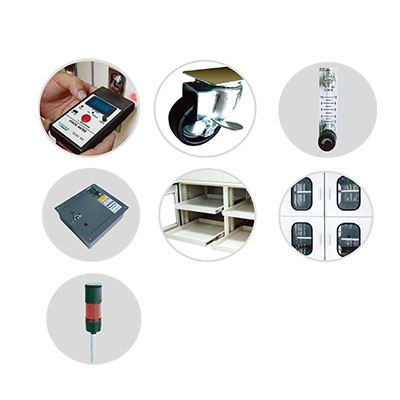
| Monitoring | Basic RH display/control | Advanced alarms/monitoring options |
| Operating environment | Office, studio, commercial space | Factory, laboratory, production line |
Dryzone, for example, separates commercial cabinets used for applications such as cameras and guitars from industrial dry cabinets offering ranges including 15–50% RH, 1–50% RH, below 5% RH, and below 1% RH, depending on the series.
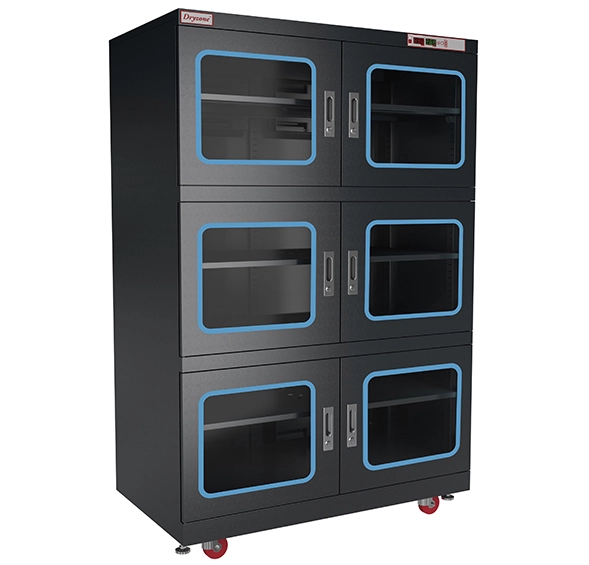
For ICs, PCBs, semiconductor components, and other moisture-sensitive electronics, an industrial humidity controlled storage cabinet is generally more appropriate.
Low humidity alone is not always enough. Electronics manufacturers should also evaluate:
ESD-safe cabinet construction
Humidity recovery after door opening
Continuous RH monitoring
Alarm capability
Shelf load capacity
Production-line accessibility
Dryzone's professional drying cabinets range includes ultra-low-humidity cabinets specifically intended for moisture-sensitive electronic materials, including models operating below 5% RH and below 1% RH.
Laboratory requirements vary considerably.
A commercial or standard industrial cabinet may be sufficient for optical instruments, samples, measuring equipment, or materials that only need moderate humidity control. More sensitive reagents, electronic test equipment, or moisture-sensitive research materials may require tighter RH control.
Instead of simply searching for a drying cabinet for sale, laboratories should define the required storage conditions first.
Industrial cabinets are preferable when storage directly affects process reliability.
Frequent door openings, high component turnover, multiple operators, and continuous production can cause substantial humidity fluctuations. In these situations, recovery performance becomes just as important as the cabinet's minimum achievable RH.
Do not automatically select the cabinet with the lowest RH specification.
A general-purpose storage application may work effectively at moderate controlled humidity, while semiconductor and moisture-sensitive device storage may require substantially lower RH.
Selecting a cabinet that matches the process requirement usually provides better cost efficiency than over-specifying the system.
Capacity should be based on more than today's inventory.
Consider:
Current component or instrument volume
Shelf dimensions
Maximum item size
Required spacing between stored products
Expected inventory growth
Frequency of loading and unloading
A cabinet filled to its physical limit may be inconvenient in daily operation. For production environments, additional usable capacity can also reduce unnecessary door-opening time.
For cameras, optical equipment, and many general commercial applications, ESD protection may not be necessary.
For ICs, semiconductor devices, PCBs, and other static-sensitive electronics, however, ESD-safe construction should be considered during cabinet selection. Industrial ESD dry cabinets combine moisture-controlled storage with features intended to reduce electrostatic risks around sensitive components.
When buyers compare cabinet dryer price quotations, capacity is only one part of the cost.
The final price can be affected by:
Required humidity range
Cabinet volume and number of doors
Dehumidification performance
ESD-safe coating or construction
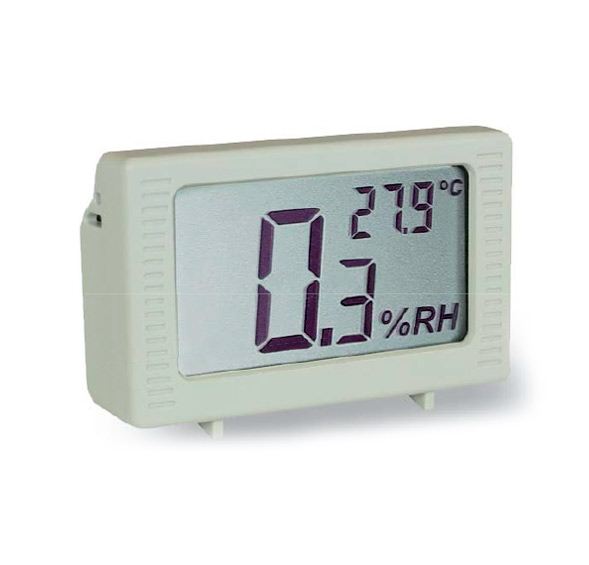
Humidity sensors and control accuracy
Alarm systems
Data monitoring functions
Stainless steel or special materials
Custom shelves and accessories
Voltage and regional configuration
Ultra-low-humidity industrial models generally require more advanced drying systems than standard commercial drying cabinets, so comparing prices without comparing specifications can be misleading.
Before you buy drying cabinet equipment, provide the supplier with your application, required RH, material type, cabinet capacity, and operating environment. This allows the manufacturer to recommend the appropriate configuration rather than simply quoting the largest or lowest-humidity model.
A drying cabinet creates a controlled low-humidity storage environment for moisture-sensitive products, including electronic components, laboratory instruments, cameras, optical equipment, and other materials vulnerable to moisture-related deterioration.
Not necessarily. Industrial cabinets provide greater capability, but a commercial model can be more cost-effective when ultra-low humidity, ESD protection, and production-level monitoring are unnecessary.
Start with five specifications: required RH, usable capacity, stored material, ESD requirement, and door-opening frequency. Then compare humidity recovery, control accuracy, construction, maintenance, and available monitoring functions.
Two cabinets with similar external dimensions can have very different drying performance and control systems. Ultra-low RH capability, ESD protection, higher-capacity dehumidification modules, sensors, alarms, and monitoring functions can significantly change the specification and therefore the price.