 EN
EN
 jp
jp  ko
ko  fr
fr  es
es  ru
ru  pt
pt  ar
ar  th
th  vi
vi  id
id 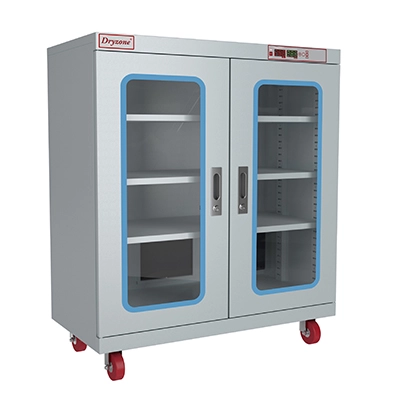


 To Know Dryzone More
In an age where maintaining optimal conditions for sensitive materials is vital, understanding the distinctions between industrial and home baking dry cabinets becomes essential. These specialized cabinets are not mere storage solutions but pivotal assets in preserving the integrity of numerous materials, especially in industries like electronics, automotive, and biomedicine. This article will explore the fundamental differences between industrial and home baking dry cabinets, focusing on their specifications, performance features, cost implications, and intended use cases.
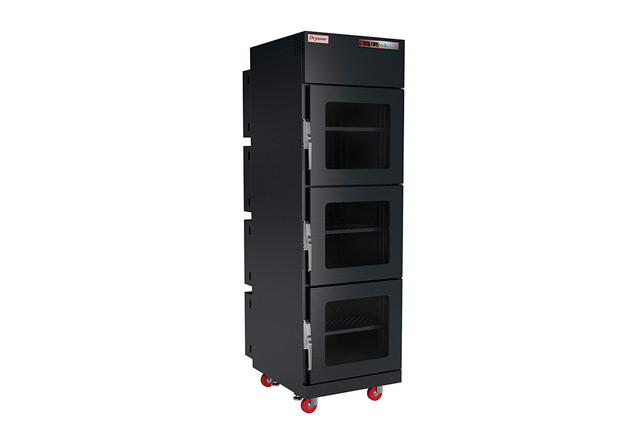
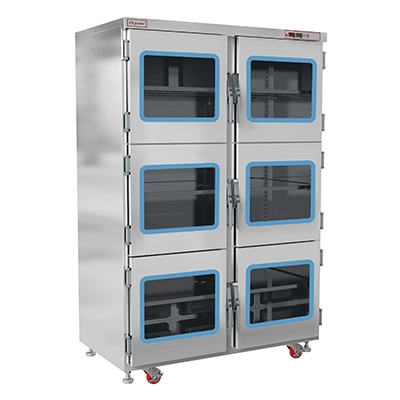
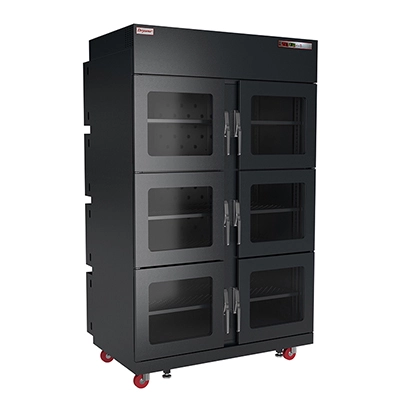
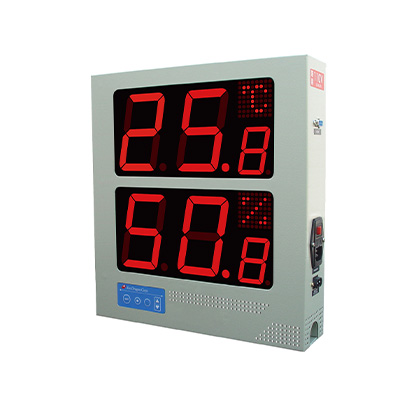
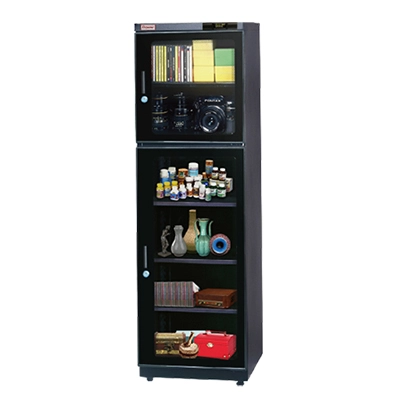
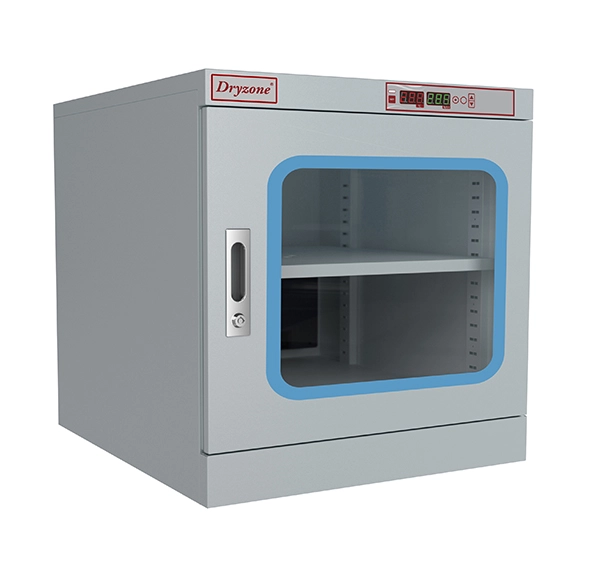
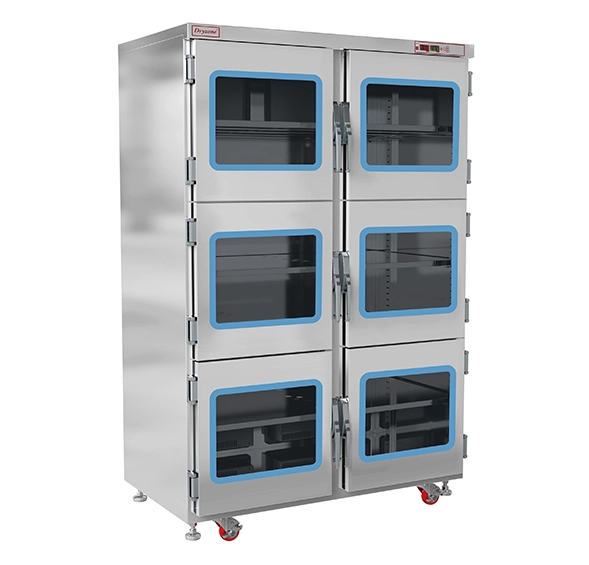
Industrial electric drying cabinet models are designed for rigorous environments, often featuring advanced humidity control systems that can sustain precision ranges of 1-50% Relative Humidity (RH). These baking cabinet models are tailored for sectors where humidity fluctuations can lead to significant operational inefficiencies, including the electronics and automotive industries. In contrast, home baking dry cabinets prioritize a balance between usability and functionality, catering to culinary enthusiasts who wish to prolong the shelf life of baked goods and ingredients. The technological sophistication of these cabinets often falls short of their industrial counterparts, focusing more on convenience than on high precision. However, both types serve a crucial role in their respective domains, underscoring the importance of choosing the right solution based on the specific application.
Size and capacity are defining factors that separate industrial from home baking dry cabinets. Industrial models are typically larger and can accommodate massive quantities of materials, boasting capacities large enough to support assembly lines or substantial laboratory inventories. Conversely, home baking dry cabinets are designed for smaller quantities, intended for personal or small-scale use, such as keeping cookie dough and flour dry and fresh. Understanding the capacity requirements for your specific use is crucial in selecting the right cabinet, as choosing one that is too small can lead to ineffective drying and preserved items, potentially harming both the product and the end user experience.
Performance features are where the most significant contrasts lie. Industrial baking dry cabinets are equipped with advanced technologies that ensure optimal drying conditions; for example, many models offer dual-zone humidity control, allowing operators to fine-tune settings for varied materials. On the other hand, home cabinets typically feature simpler control mechanisms, which might suffice for general use, yet may lack the precision required for professional applications. The durability of industrial models also stands out, often constructed to endure high temperatures (up to 230°C) and extended periods of heavy use, a consideration that is usually not as robust in home models. This comparison highlights the necessity of aligning features with intended applications to maximize performance and efficiency.
The drying cabinet price can vastly differ based on the intended application and performance features. Industrial models tend to be a greater investment upfront; however, their long-term benefits — such as enhanced productivity, reduced material loss, and compliance with industry regulations — often justify the initial expenditure. Conversely, home baking dry cabinets are more budget-friendly, catering to casual users looking to enhance their culinary processes without breaking the bank. Ultimately, it is prudent to weigh the costs against your specific needs; an industrial model is likely to be a wiser choice for businesses with high operational demands, while home models provide sufficient functionality for non-commercial use.
Selecting the right type of baking dry cabinet depends heavily on the intended use. For instance, businesses involved in manufacturing semiconductors or high-end electronics will benefit immensely from industrial models, particularly ultra low humidity storage cabinets, that maintain precise environmental controls. In contrast, home baking dry cabinets are ideal for amateur bakers or small-scale food producers who need a simple solution for preserving ingredients and finished goods. Recognizing the specific requirements of your operations will guide you toward making the most informed choice.
In summary, while both industrial and home baking dry cabinets serve the fundamental purpose of humidity control, they are tailored to meet different needs based on scale, precision, and application. The investment in an industrial solution not only promises superior performance but also reaffirms your commitment to quality and reliability. For those contemplating a purchase, exploring further into the specifications and benefits can provide valuable insights, ensuring you are well-equipped to make an informed decision.