 EN
EN
 jp
jp  ko
ko  fr
fr  es
es  ru
ru  pt
pt  ar
ar  th
th  vi
vi  id
id 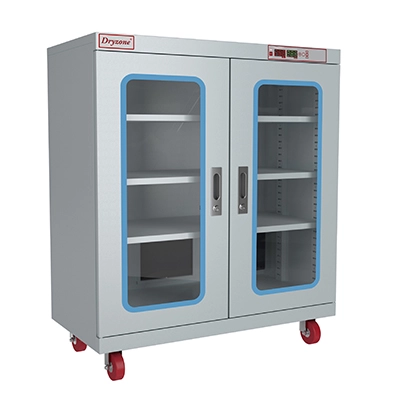
 To Know Dryzone More
Global manufacturing is undergoing transformative change. Miniaturization of chip packages, stricter IPC/JEDEC standards for moisture-sensitive devices (MSD), and higher production yields are redefining the storage requirements for critical components. According to industry reports, approximately 40% of electronic failures in assembly are linked to moisture exposure during storage or handling.
Traditional dry cabinets, which rely primarily on desiccants or standard dehumidifiers, struggle to provide consistent low-humidity conditions, especially under frequent access scenarios. Recovery times are slow, and humidity fluctuations can compromise sensitive materials. These limitations have prompted industries to adopt nitrogen cabinets, which combine precise moisture control with energy-efficient operation.
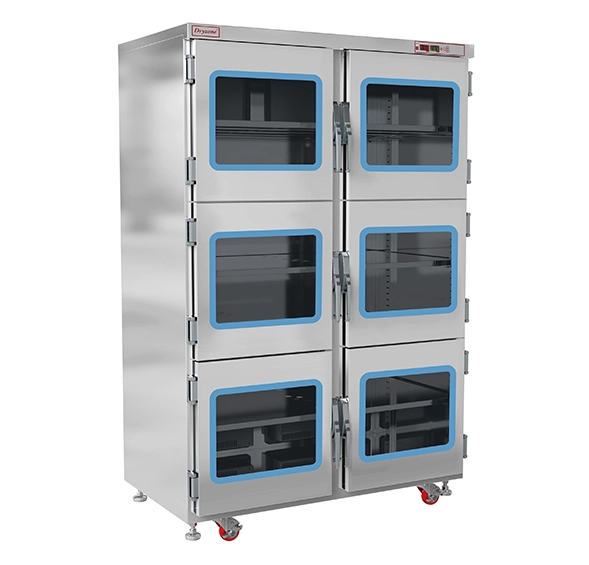
Nitrogen cabinets are now essential in semiconductor fabs, electronics assembly plants, optical instrument facilities, and pharmaceutical laboratories, offering faster recovery, stable low-RH storage, and reduced nitrogen consumption.
Traditional dry cabinets use desiccants or active dehumidifiers to control humidity, but these systems have inherent drawbacks:
Slow Recovery Times: After opening the cabinet, humidity can remain elevated for several minutes, risking component exposure.
Inconsistent RH Levels: Frequent access or door openings can cause fluctuations beyond target set points.
Limited Ultra-Low Humidity Capability: Maintaining RH below 5% is challenging without continuous human monitoring or manual intervention.
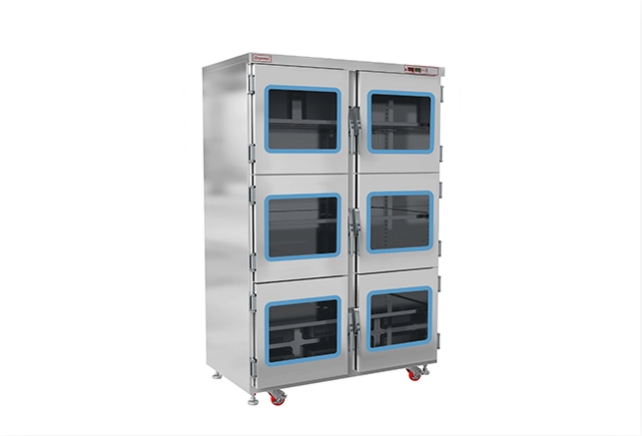
Dryzone nitrogen cabinets address these challenges through several advanced features:
N₂ Displacement and Humidity-Triggered Filling
Replaces moist air with nitrogen (N₂) to maintain precise RH
FUZZY intelligent control automatically injects N₂ based on preset humidity
Fast Recovery Time
Ensures RH stabilizes within minutes after door openings
Critical for semiconductor and electronics storage environments
QDN Nitrogen Saving Module
Reduces nitrogen consumption by 40–60% compared to traditional nitrogen dry boxes
Supports both operational efficiency and sustainability goals
Delay-Filling Technology
Minimizes nitrogen loss during door openings
Outperforms conventional magnetic valve or real-time controllers
These innovations combine to create a high-precision, energy-efficient storage solution, ideal for industries handling moisture-sensitive components.
Nitrogen cabinets are applied across multiple sectors where humidity control directly affects product quality and reliability.
Semiconductors are extremely moisture-sensitive. Exposure can lead to:
Oxidation of metallic contacts
Solder defects during reflow
Package cracking
MSD failures
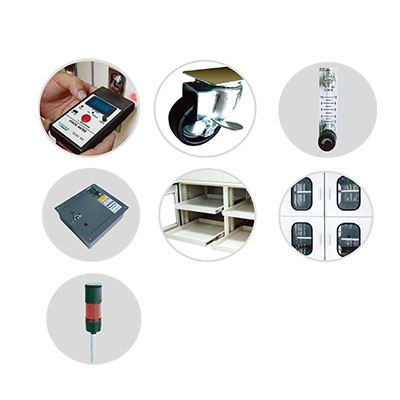
Dryzone nitrogen cabinets mitigate these risks through fast recovery and stable low RH, ensuring that wafers, ICs, and other critical components remain protected. Adjustable shelves and anti-static protection provide additional security for delicate electronics.
Key Benefits in Semiconductor Use:
RH stabilizes quickly even after frequent access
Reduced moisture-induced defects
Energy savings with FUZZY intelligent control
PCB components, especially SMT devices, are vulnerable to moisture absorption. Improper storage can result in:
“Popcorn effect” during solder reflow
Cracking of plastic or epoxy packages
Reduced operational reliability
Dryzone cabinets use ESD paint protection (10⁶–10⁹ Ω), providing combined moisture and static control. By maintaining ultra-low RH and protecting against electrostatic discharge, these cabinets improve yield rates and component longevity.
Maintains IPC/JEDEC moisture standards compliance
Fast RH recovery prevents assembly delays
Ideal for electronics production, assembly, and storage
Optical devices such as lenses, microscopes, and high-end cameras are highly sensitive to moisture. Humidity can cause:
Fungus growth on lenses
Coating degradation
Condensation inside sensitive instruments
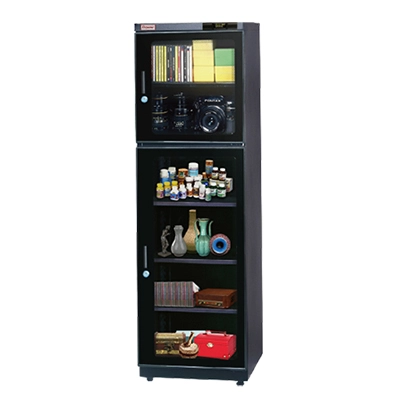
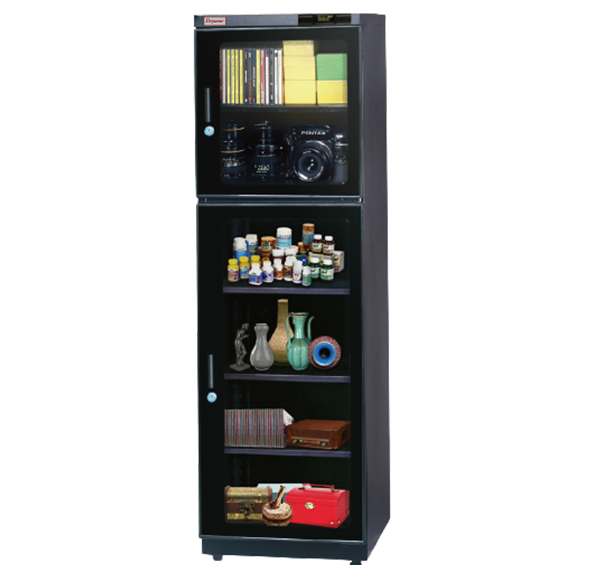
Using a camera dehumidifying dry cabinet ensures that RH remains stable, protecting high-value optical components and maintaining precision performance. This solution is particularly relevant for professional photographers and laboratories needing reliable low-humidity storage.
Supports safe long-term storage of lenses and optical instruments
Maintains professional-grade imaging and calibration stability
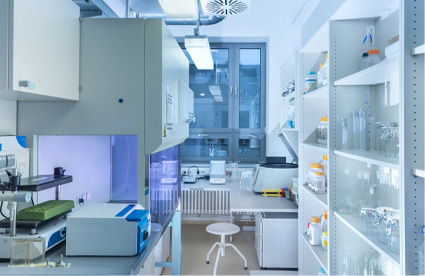
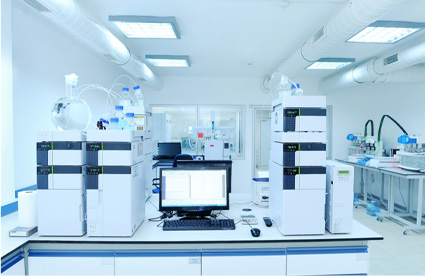
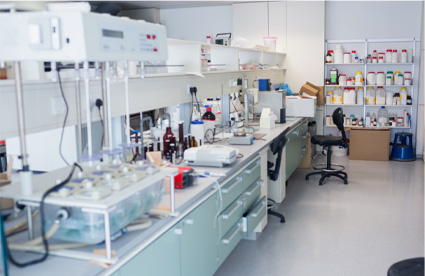
Laboratories and pharmaceutical industries require:
Low-humidity environments for sensitive samples and chemicals
Protection for oxidation-prone reagents
Stable conditions for precision instruments
Dryzone nitrogen cabinets provide consistent RH control, which is more critical than simply reaching a low RH. Variability can affect sample integrity or compromise experimental results.
Advantages for Lab and Pharma:
Precise RH control for chemical and biological samples
Reduced risk of degradation in oxidation-sensitive materials
Enhanced reproducibility in research and production
Recovery time is often overlooked by traditional dry cabinet solutions. In real-world industrial environments:
Cabinets are accessed multiple times per shift
Slow recovery exposes components to transient humidity spikes
Dryzone nitrogen cabinets leverage N₂ displacement, intelligent FUZZY control, and humidity-triggered filling, restoring RH quickly to prevent moisture-related defects.
Key Technical Points:
Recovery occurs in minutes, not tens of minutes
Supports high-frequency cabinet access
Maintains stable low RH without manual intervention
For larger-scale industrial settings, integrating an industrial drying cabinet alongside nitrogen cabinets can further optimize humidity control across multiple storage areas.
Energy conservation and resource efficiency are critical. Dryzone nitrogen cabinets optimize nitrogen usage through:
QDN Nitrogen Saving Module: Reduces consumption by 40–60%
Delay-Filling Technology: Prevents waste during door openings
| Feature | Traditional Nitrogen Cabinet | Dryzone Nitrogen Cabinet |
|---|---|---|
| Nitrogen Control | Continuous filling | Intelligent FUZZY control |
| Recovery Time | Moderate | Fast |
| Nitrogen Consumption | High | 40–60% lower |
| Door Opening Loss | Significant | Delay-filling minimizes waste |
| ESD Protection | Optional | 10⁶–10⁹ Ω |
This table highlights efficiency, cost savings, and superior protection for sensitive components.
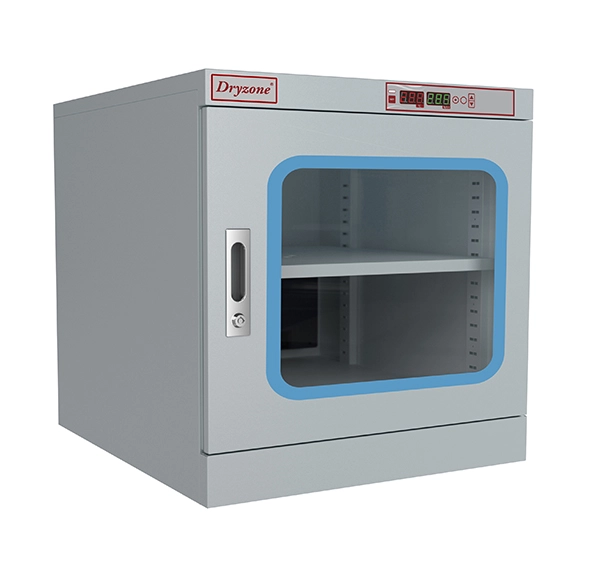
Dryzone provides nitrogen cabinets suitable for various operational scales:
| Model | Capacity | Shelves | Power Consumption | Ideal Use Case |
|---|---|---|---|---|
| CQB-315 | 334 L | 3 | 55 W/h Avg | Labs, small electronics storage |
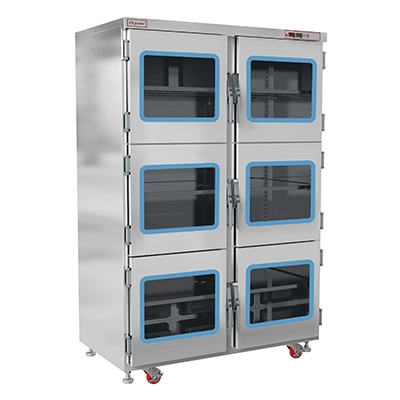
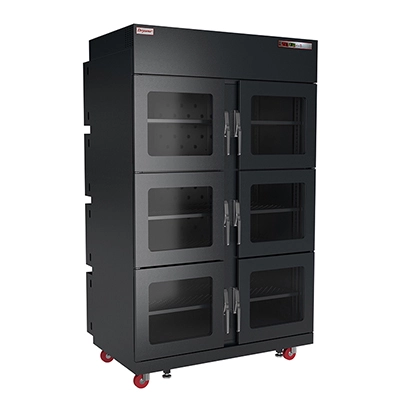
| CQS-1200-6 | 1250 L | 5 | 300 W/h Max | Semiconductor factories, industrial component storage |
These models illustrate how nitrogen cabinets meet diverse industrial and laboratory storage needs without sacrificing energy efficiency or protection quality.
Q1: How does a nitrogen cabinet differ from a standard dry cabinet?
A: Nitrogen cabinets use N₂ displacement and FUZZY intelligent control for rapid RH stabilization, unlike desiccant or dehumidifier-based dry cabinets.
Q2: Can existing cabinets be upgraded?
A: Yes, the NC-2 Nitrogen Controller Module can reduce nitrogen or dry air consumption while maintaining low-humidity conditions.
Q3: What industries benefit most from nitrogen cabinets?
A: Semiconductor, electronics, optics, and pharmaceutical sectors benefit from precise humidity and anti-static control.
Q4: How much nitrogen can be saved?
A: Up to 40–60%, depending on usage frequency and cabinet size.
Q5: Are nitrogen cabinets energy efficient?
A: Yes, with FUZZY intelligent control, QDN modules, and delay-filling, energy consumption is significantly reduced compared to traditional systems.