 EN
EN
 jp
jp  ko
ko  fr
fr  es
es  ru
ru  pt
pt  ar
ar  th
th  vi
vi  id
id 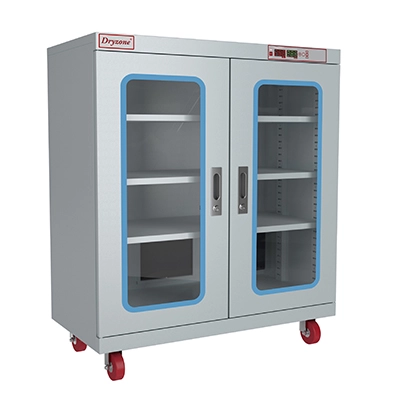
 To Know Dryzone More
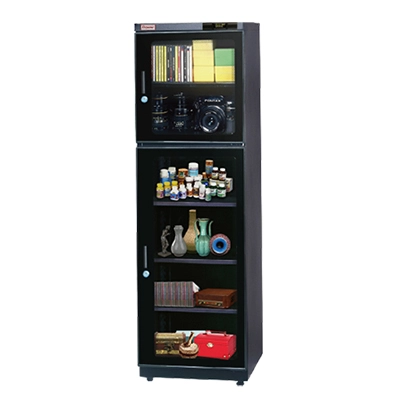
Drying cabinets are essential tools in laboratories, ensuring that materials, samples, and components are stored in a dry, stable environment. These cabinets play a critical role in protecting sensitive materials from moisture damage, which can affect experimental results, component integrity, and overall research accuracy. However, like any piece of laboratory equipment, drying cabinet laboratory require regular maintenance and calibration to function efficiently. Proper upkeep is vital to ensure they continue to provide a consistent, controlled environment.
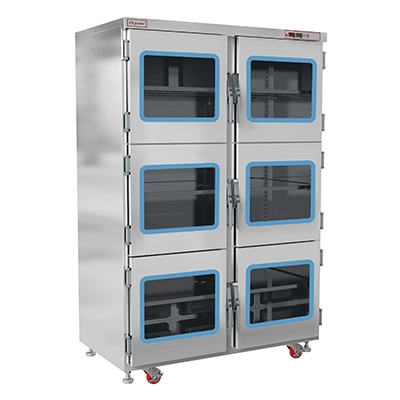
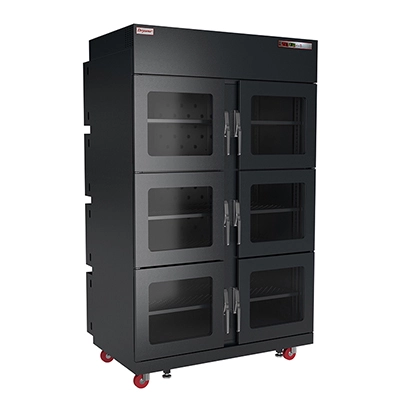
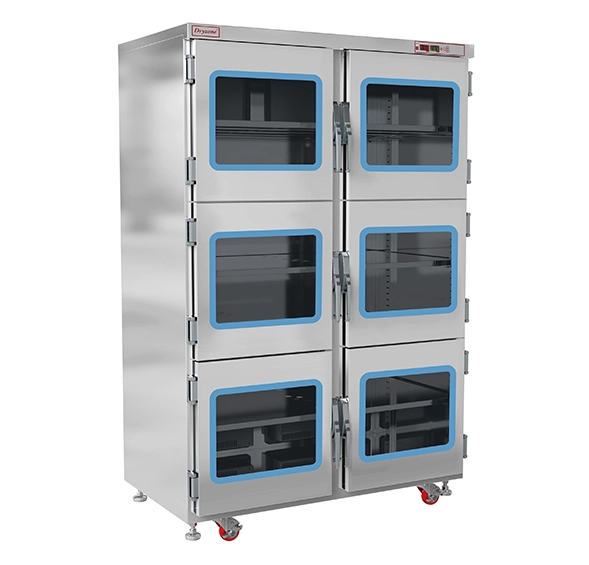
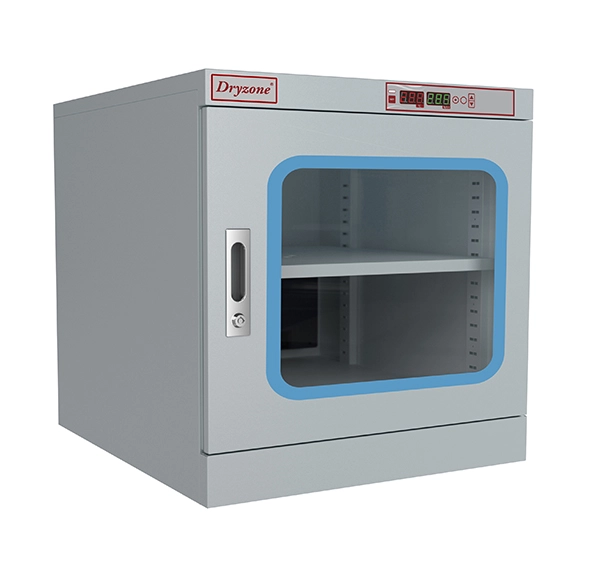
Maintaining drying cabinets laboratory is crucial for their performance and longevity. Regular maintenance helps prevent breakdowns, ensures the equipment operates efficiently, and extends the lifespan of the cabinet. One of the main aspects of this maintenance is ensuring the humidity control system is working correctly. If the system malfunctions, the cabinet may fail to maintain the desired low-humidity environment, rendering it ineffective. For example, Dryzone's drying cabinets are equipped with advanced electronic dehumidification systems that control and maintain a specific humidity range. Regular checks and cleaning of these systems ensure that the dehumidification process remains effective.
In addition to the dehumidification system, the seals and gaskets of the drying cabinet should also be regularly inspected. These seals ensure that the internal environment is protected from outside humidity, and if they become damaged or worn, moisture can enter the cabinet and compromise its contents. Simple tasks like cleaning the seals and checking for leaks can prevent more costly repairs down the line.
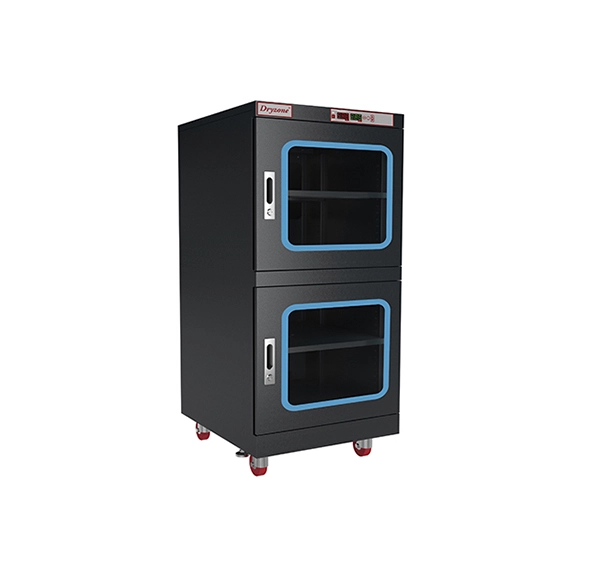
Another aspect of drying cabinet laboratory maintenance is the monitoring and cleaning of the internal temperature control system. While many drying cabinets, such as those in the Dryzone range, focus on controlling humidity, some models, like the E60 series, also allow for temperature regulation. Ensuring the internal temperature is maintained within the set range is essential to preserve materials that may be sensitive to temperature changes. Dust, debris, and dirt can accumulate on temperature sensors, so routine cleaning is important to prevent inaccuracies.
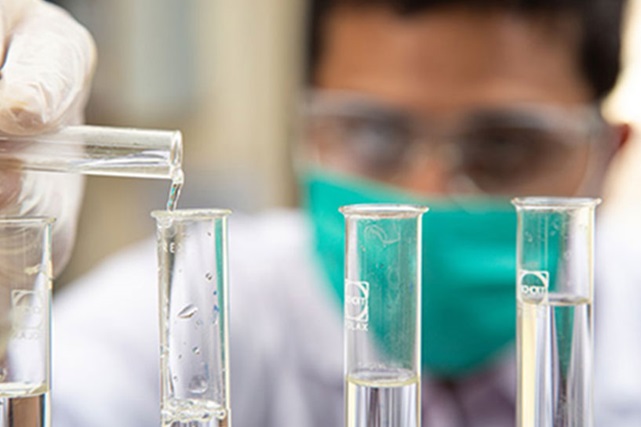
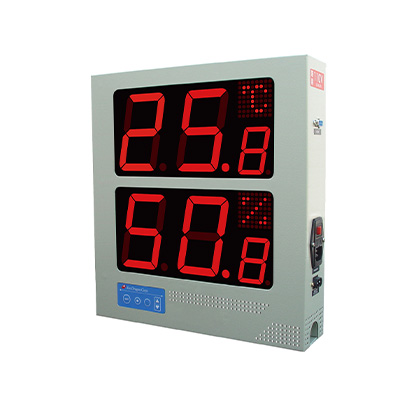
Calibration is another critical aspect of maintaining drying cabinet laboratory. Since the primary function of a drying cabinet laboratory is to maintain a stable, low-humidity environment, it is essential that the cabinet's humidity control system is calibrated correctly to ensure accurate readings and consistent performance. Over time, humidity sensors may drift or lose calibration, which can lead to discrepancies in humidity levels, affecting the materials stored inside.
To calibrate a drying cabinet laboratory, technicians typically use a reference standard or calibrated instrument, such as a hygrometer or humidity logger, to compare readings from the cabinet's built-in sensor. If the readings deviate from the reference standard, adjustments need to be made to the system. Dryzone's drying cabinet laboratory, such as the CF1 series, are designed with precise humidity control in mind, and regular calibration ensures that these systems continue to provide accurate and reliable environmental conditions for sensitive laboratory materials.
Calibration should be performed at least annually or whenever a significant change in the laboratory environment occurs, such as when the cabinet is moved to a new location or after any repair work is done.
Ensuring that your drying cabinet laboratory operates efficiently requires a combination of regular maintenance and proper calibration. Start by following the manufacturer's recommended maintenance schedule. Dryzone's drying cabinet laboratory, like the ones designed for lab use, often come with a user manual that includes specific instructions for cleaning, inspecting, and servicing the unit.
In addition to the manufacturer's guidelines, establishing a routine check-up schedule will help catch potential issues early. Regularly inspect the cabinet for any signs of wear and tear, such as cracked seals, damaged sensors, or faulty temperature and humidity readings. By performing these simple checks, you can prevent small issues from becoming larger, more expensive problems.
For effective calibration, always use a reliable, calibrated reference instrument. Calibration should be done in the laboratory conditions where the drying cabinet laboratory is used to ensure the accuracy of readings under real-life conditions. If the drying cabinet laboratory is used in a critical environment, such as a pharmaceutical or semiconductor laboratory, calibration should be performed more frequently to maintain the highest level of precision.
Finally, ensure that the cabinet's environmental conditions—temperature, humidity, and airflow—are within optimal ranges to facilitate proper operation. Dryzone's drying cabinet laboratory, like the CF1 and E60 series, are equipped with features that monitor and control these conditions, providing users with a reliable tool for maintaining a dry environment for sensitive materials.
The maintenance and calibration of drying cabinet laboratory are fundamental to their performance and reliability in laboratory settings. Regular maintenance ensures that all components, from humidity control systems to seals and temperature sensors, are functioning correctly, while calibration ensures that the cabinet maintains the accurate environmental conditions required for sensitive materials. For laboratories that require precise and controlled conditions, such as those in pharmaceuticals, semiconductors, and electronics manufacturing, keeping drying cabinet laboratory in optimal working condition is essential for ensuring the quality and integrity of the stored items. By following regular maintenance procedures and calibrating your drying cabinet laboratory, you can extend the life of the equipment and ensure it continues to operate efficiently.