 EN
EN
 jp
jp  ko
ko  fr
fr  es
es  ru
ru  pt
pt  ar
ar  th
th  vi
vi  id
id 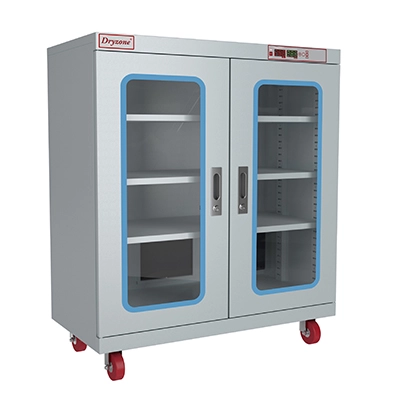
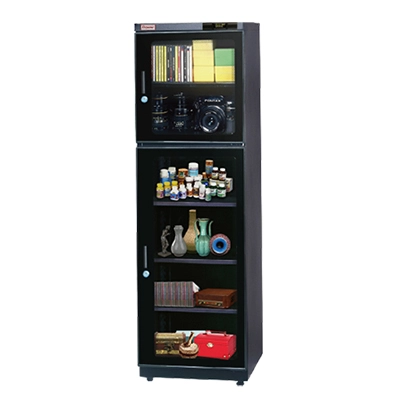
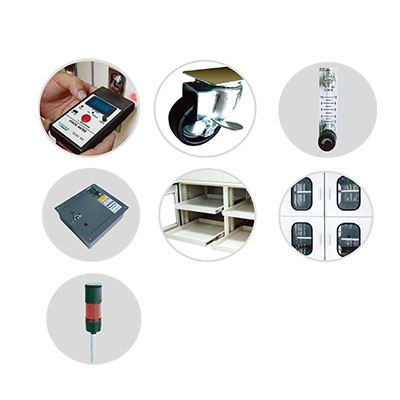
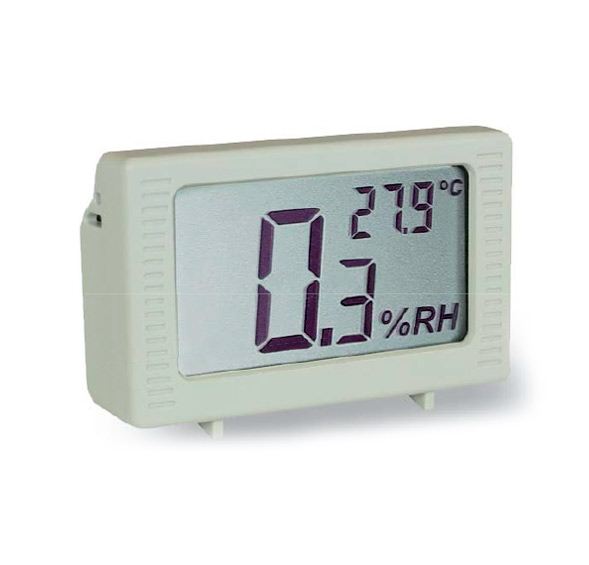
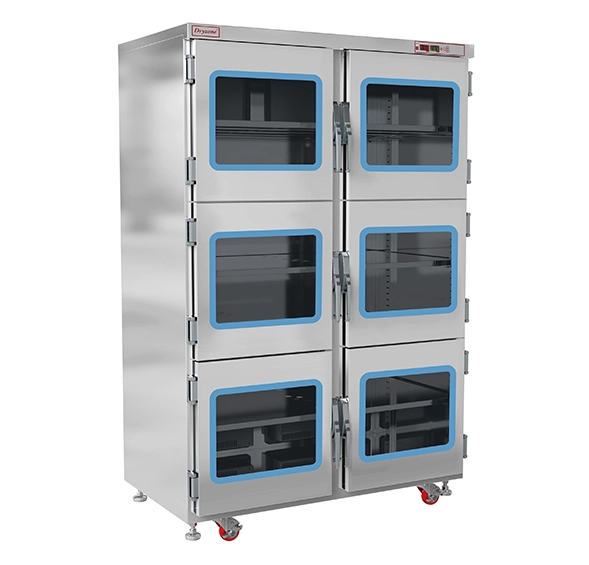

 To Know Dryzone More
You’ve just invested thousands of dollars in sensitive electronic components—semiconductors, MEMS sensors, or optical modules. But are you storing them correctly to prevent oxidation and moisture damage?
For engineers and procurement managers, choosing between a Nitrogen Cabinet and an Electronic Dry Cabinet is more than a technical decision—it’s a financial one. The wrong choice can lead to component failure, reduced yield, and higher operational costs.
This guide breaks down how each technology works, when to use which, and how to calculate the ROI of your investment.
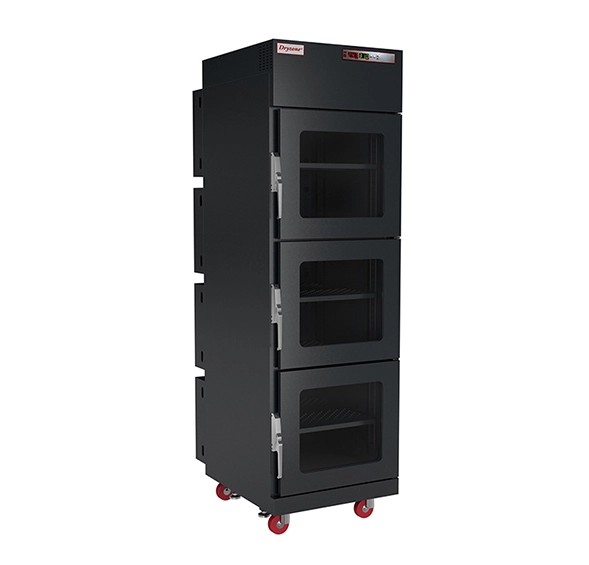
Nitrogen cabinets create a controlled low-humidity environment by replacing moist air with nitrogen gas. Moisture in the air exists as water vapor (H₂O). By filling the cabinet with N₂ and maintaining a preset relative humidity (RH), nitrogen displaces the moisture inside the cabinet. Dryzone cabinets use an intelligent FUZZY micro‑computer induction system to automatically regulate nitrogen injection:
When RH rises above the setpoint, nitrogen is added.
When RH falls below the target, the system stops nitrogen flow.
Delay-filling design minimizes nitrogen loss during door openings.
This approach provides ultra-low RH (1–5%), fast recovery, and anti-oxidation protection, making it ideal for semiconductors, high-value metals, optical coatings, and MEMS devices.
Electronic dry cabinets typically use thermoelectric (Peltier) cooling or desiccants to absorb moisture. Humidity is reduced as water vapor condenses or binds to a desiccant. While effective for general storage, electronic cabinets usually reach 10–20% RH and recover more slowly after door openings (15–30 minutes).
Electronic dry cabinets are energy-efficient for moderate-humidity requirements and are commonly used in standard electronics assembly, photographic equipment, musical instruments, and laboratory chemicals.
| Feature | Nitrogen Cabinet | Electronic Dry Cabinet | Why It Matters to You |
| Humidity Control Principle | Fills with N₂ to displace moisture | Peltier thermoelectric or desiccant-based | Determines how effectively moisture is removed, not just managed |
| Minimum Achievable RH | 1–5% RH | 10–20% RH | Lower RH = better protection for MSL 2–5a components |
| Anti-Oxidation Capability | High (inert gas atmosphere) | Medium (low humidity only) | Critical for bare die, bond pads, and oxidation-sensitive metals |
| Recovery Time After Door Opening | Rapid (<5 minutes) | Moderate (15–30 minutes) | Faster recovery reduces risk during high-access operations |
| Operational Cost | Lower long-term (QDN saves 40–60% N₂) | Lower initial, higher electricity cost | Cheaper upfront may cost more over 5 years |
| Upgradability | Native nitrogen control | Can be upgraded with NC-2 module | Protects your investment by allowing future expansion |
| ESD Protection | Standard (10⁶–10⁹ Ω) | Optional | Essential for semiconductor and SMT environments |
| Sensitivity Level | Examples | Recommended Cabinet |
|---|---|---|
| Extreme | Bare silicon wafers, MEMS, optical coatings, bond pads | Nitrogen Cabinet |
| High | MSL 3–5a components, semiconductors, precision optics | Nitrogen Cabinet |
| Moderate | PCBs, standard ICs, cameras, musical instruments | Electronic Dry Cabinet |
| Low | General components, short-term storage | Electronic Dry Cabinet |
Frequent door openings (multiple times per shift) → Nitrogen Cabinet
Infrequent access → Electronic Dry Cabinet
Short-term (12–24 months) → Electronic Dry Cabinet
Long-term (3–5+ years) → Nitrogen Cabinet
Need flexibility → Start with Electronic Dry Cabinet, upgrade later with NC-2 module
Certain of nitrogen requirement now → Invest directly in Nitrogen Cabinet
One common question is: “I already have electronic dry cabinets. Do I need to buy new units to get nitrogen protection?” The answer is no. Dryzone’s NC-2 Nitrogen Controller Module allows you to retrofit existing cabinets with intelligent nitrogen control. The upgrade delivers:
40–60% nitrogen savings compared to traditional continuous-flow systems
Automated FUZZY logic control that injects N₂ only when needed
Delay-filling design that minimizes gas loss immediately after door closure
This approach protects capital investment while achieving ultra-low RH and anti-oxidation performance.
| Cabinet Type | Initial Cost | Energy/N₂ Consumption | Maintenance | ROI Consideration |
|---|---|---|---|---|
| Nitrogen Cabinet (CQB-315, 334L) | Moderate–High | 40–60% N₂ savings (QDN module) | Low due to automated control | Faster ROI for high-value components |
| Electronic Dry Cabinet | Low–Moderate | Higher electricity usage | Medium | ROI longer for sensitive/high-turnover items |
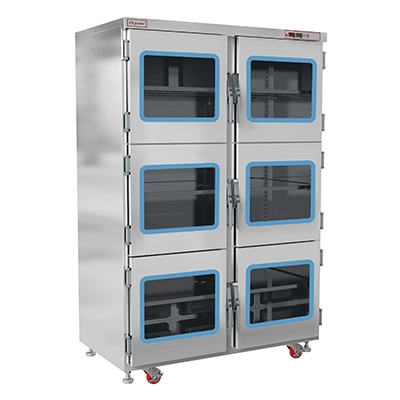
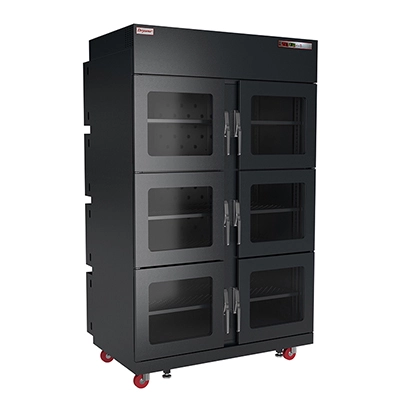
Example: CQB-315 consumes 55w/h on average (peak 150w/h), maintaining 1–5% RH. A comparable electronic dry cabinet may only reach 10–20% RH, requiring more energy over time.
Additional considerations include environmental temperature, storage duration, and cabinet access frequency. High-humidity environments or frequent door openings strongly favor nitrogen control cabinet for consistent protection.
Nitrogen Cabinet
Semiconductor wafers and chips
Precision optical components
Metals prone to oxidation
Long-term storage of high-value electronics
Sensitive MEMS and laboratory components
Electronic Dry Cabinet
Standard electronics assembly
Photographic equipment (camera dehumidifying dry cabinet)
Musical instruments (dry cabinet for guitar)
Laboratory chemicals with moderate moisture sensitivity
Short-term storage for general electronic components
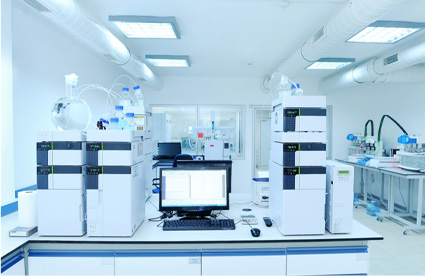
Semiconductor Manufacturing: Nitrogen cabinets reduce oxidation risk on bond pads and wafers, improving yield and reducing scrap rates.
Photography and Music Stores: Electronic dry cabinets keep cameras and guitars safe from humidity without nitrogen infrastructure.
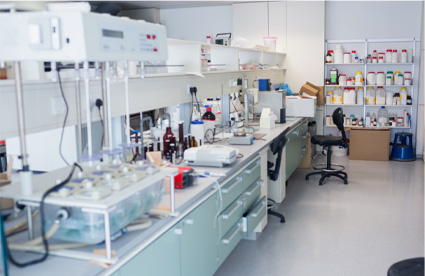
R&D Labs: Laboratories with mixed materials often use a combination—electronic dry cabinets for moderate-sensitive materials, nitrogen cabinets for ultra-sensitive samples.
Choosing the right storage solution depends on material sensitivity, access frequency, budget, and future scalability. Dryzone’s modular upgrades allow electronic dry cabinets to achieve nitrogen-level protection, combining cost efficiency with ultra-low humidity control.
A: Cabinets with FUZZY induction maintain target RH automatically. For frequent access, refill may be required every 2–4 weeks.
Q2: Can existing electronic dry cabinets be converted to nitrogen cabinets?
A: Yes. Dryzone’s NC-2 Nitrogen Controller allows modular upgrades, reducing N₂ consumption while maintaining ultra-low humidity.
Q3: What is the typical energy consumption of a Dryzone nitrogen cabinet?
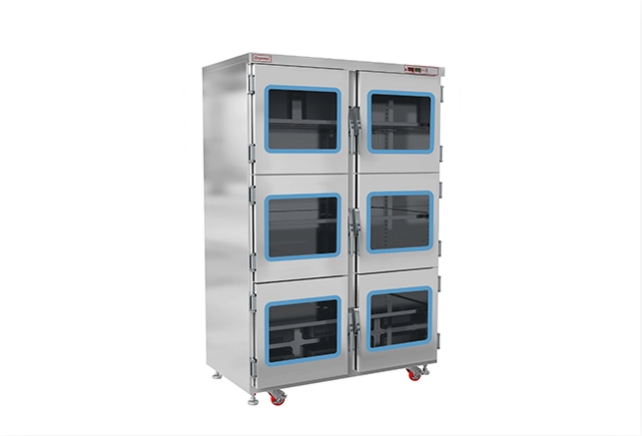
A: Example: CQB-315 consumes 55w/h average, peak 150w/h; CQS-1200-6 consumes 105w/h average, peak 300w/h.
Q4: Are nitrogen cabinets safe for sensitive electronics?
A: Yes. Dryzone N₂ cabinets include ESD protection (10⁶–10⁹ Ω) and precise humidity control, ideal for semiconductors and moisture-sensitive components.
https://en.wikipedia.org/wiki/Dry_cabinet