 EN
EN
 jp
jp  ko
ko  fr
fr  es
es  ru
ru  pt
pt  ar
ar  th
th  vi
vi  id
id 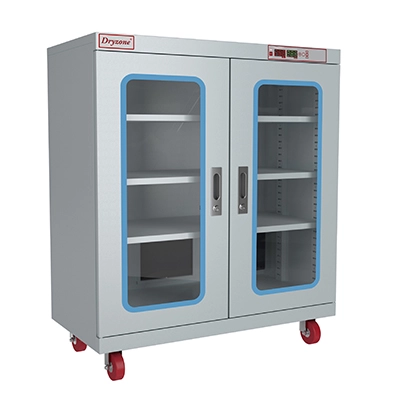
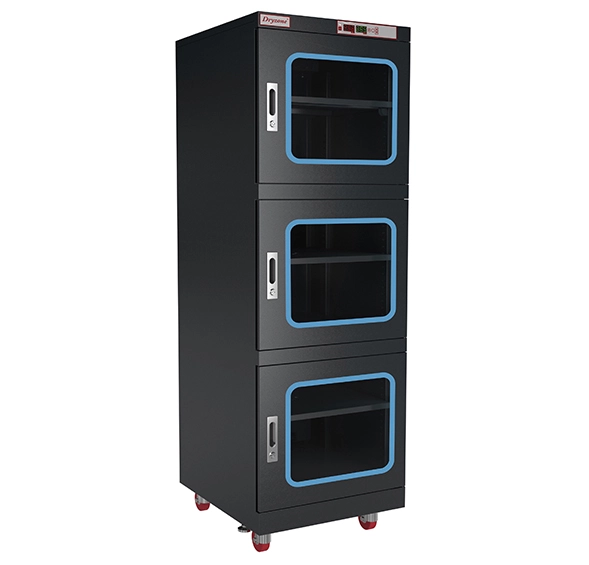

 To Know Dryzone More
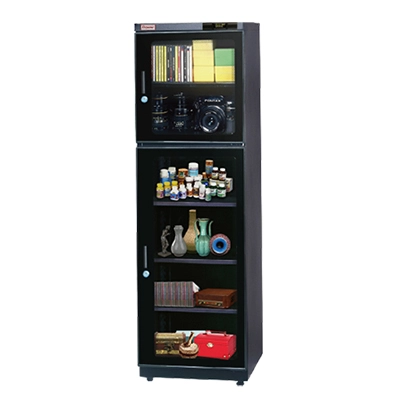
Maintaining sensitive equipment, electronics, musical instruments, or laboratory samples requires careful humidity control. Dry cabinets are essential for preventing moisture-related damage, mold growth, corrosion, and material degradation. While many users focus on steady-state humidity, another critical performance metric, recovery time, often plays a more decisive role in protecting your valuable items. In this article, we explore why recovery time can be more important than steady-state humidity and how it affects the efficiency of dry cabinets in real-world applications.
Before analyzing their impact, it is important to define these terms:
Steady-State Humidity (SSH): This is the relative humidity (RH) level that a dry cabinet maintains over time when the cabinet is closed and undisturbed. Most high-quality dry cabinets, such as those offered by DryZone, achieve steady-state humidity as low as 10–20% RH for electronics and precision instruments.
Recovery Time (RT): Recovery time is the period a dry cabinet takes to return to its target humidity after being disrupted, typically when the door is opened or items are placed inside. This metric is crucial because it reflects how quickly the cabinet can restore a safe, dry environment.
Table : Key Metrics Comparison
| Metric | Definition | Typical Values | Importance |
|---|---|---|---|
| Steady-State Humidity | Humidity level maintained under normal closed conditions | 10–20% RH (Electronics) | Long-term storage safety |
| Recovery Time | Time to return to target RH after opening door | 2–5 minutes (Small cabinets) | Critical for frequent access scenarios |
| Door Open Impact | Immediate RH increase when cabinet is opened | 5–10% RH spike | Indicates sensitivity to air exposure |
As the table shows, while steady-state humidity ensures long-term dryness, recovery time determines short-term resilience, which is essential in practical usage.
Electronic components, such as SMT parts, PCBs, and semiconductors, are extremely sensitive to moisture. Even brief exposure to high humidity can cause solderability issues, corrosion, or dielectric failures.
For example, if a dry cabinet maintains 12% RH at steady-state but takes 20 minutes to recover after a door opening, the internal components may be exposed to RH spikes beyond 50%, causing immediate moisture absorption. On the other hand, a cabinet with 15% steady-state RH but a recovery time of under 5 minutes can better protect sensitive electronics by minimizing exposure.
Professional cameras, lenses, and optical instruments require consistent low-humidity environments to prevent fungus growth. Photographers frequently access their equipment during shoots. Rapid recovery time ensures that opening the cabinet briefly does not compromise lens coatings or internal mechanics.
For example, a camera dehumidifying dry cabinet with a recovery time under 3 minutes is significantly more effective than one with lower steady-state RH but slower recovery.
Wooden instruments like guitars are highly sensitive to moisture fluctuations. A dry cabinet for guitar not only maintains a low RH but must quickly re-establish target humidity after door openings, especially in humid climates. Slow recovery can cause wood swelling, cracks, or warping over time.
Key Insight: Recovery time is the metric that governs protection during active use, while steady-state humidity protects during idle storage.
Understanding what influences recovery time can guide better product selection and usage.
Cabinet Capacity: Larger cabinets naturally have longer recovery times due to the volume of air and materials inside.
Sealing Quality: Air-tight doors and gaskets prevent excessive moisture ingress.
Dehumidification Technology:
Electronic humidity control (Peltier-based or sensor-driven) accelerates recovery.
Adsorption-based systems rely on silica gel or desiccant materials, which may recover slower.
Ambient Environment: Higher room humidity and temperature fluctuations can extend recovery time.
Frequency of Access: Frequent door openings require faster recovery mechanisms to maintain safe humidity levels.
Table : Recovery Time Factors
| Factor | Effect on Recovery Time | Notes |
|---|---|---|
| Cabinet Volume | Larger = longer recovery | Industrial drying cabinets often >200L |
| Door Seal Integrity | Poor seal = slower recovery | Check gasket quality regularly |
| Control System | Electronic control = faster recovery | Recommended for high-precision applications |
| Ambient Humidity | Higher ambient = slower recovery | Keep cabinet away from humid zones |
| Access Frequency | Frequent access = longer cumulative recovery | Minimize unnecessary openings |
When selecting a dry cabinet, consider both steady-state humidity and recovery time. Here are actionable tips:
Small or frequent-access needs: Prioritize short recovery time over extremely low steady-state RH.
High-value electronics or camera gear: Select cabinets with advanced electronic control for fast recovery.
Industrial applications: Consider industrial drying cabinets with precise recovery specifications and scalable capacity.
Specialized use cases: For musical instruments or archival storage, ensure cabinets balance RH stability with rapid recovery to handle daily usage.
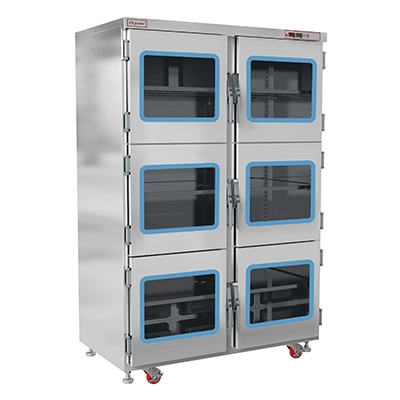
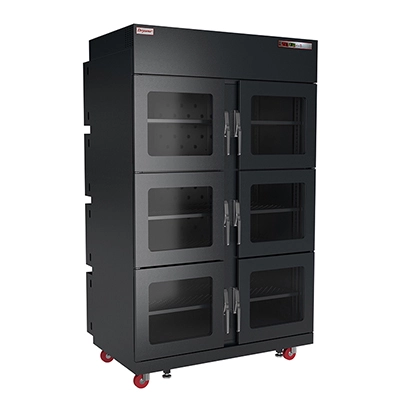
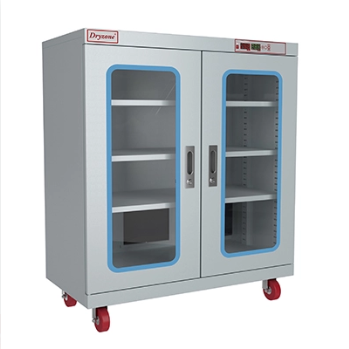
DryZone’s product line provides options ranging from baking dry cabinets for laboratory use to camera dehumidifying dry cabinets for professional photography. Each product lists recovery time and steady-state RH, helping buyers make informed decisions. You can buy dry cabinet models directly from the official site.
Open the cabinet for the shortest time necessary.
Avoid placing wet or damp items inside.
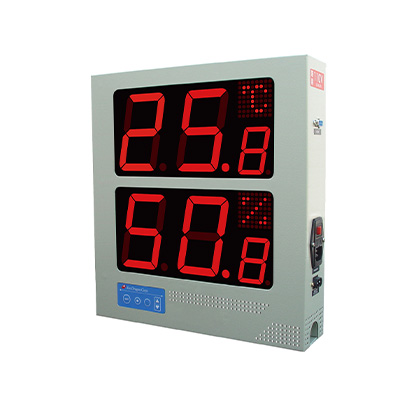
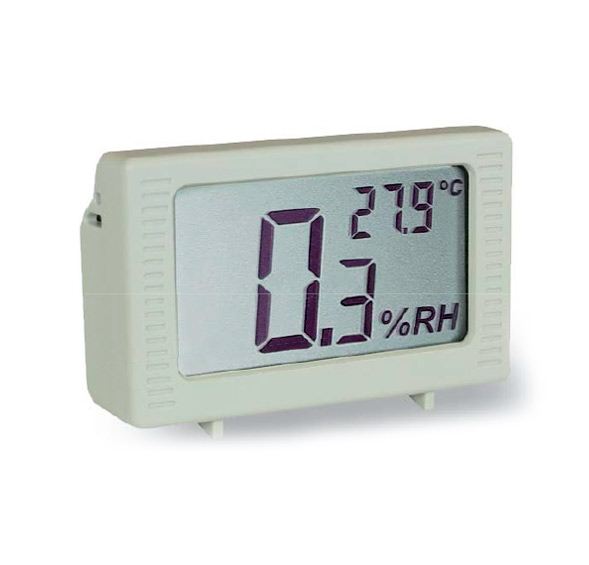
Monitor RH using digital hygrometers inside the cabinet.
Schedule regular maintenance to ensure gaskets and control systems function optimally.
In practice, recovery time is often more critical than steady-state humidity because it determines how effectively a dry cabinet protects items during active access. While steady-state RH ensures long-term dryness, rapid recovery safeguards electronics, optical instruments, and sensitive materials from short-term exposure. For optimal protection, choose dry cabinets that balance low steady-state RH with quick recovery time, tailored to your application.
Q1: What is dry cabinet recovery time?
Recovery time is the period a dry cabinet takes to return to target humidity after a door opening or item insertion.
Q2: Why is recovery time more important than steady-state humidity?
Because short-term exposure to high humidity can cause immediate damage to electronics, optics, and wooden instruments.
Q3: How fast should a dry cabinet recover humidity?
High-performance cabinets typically recover in 2–5 minutes, depending on size and technology.
Q4: Can I use a dry cabinet for guitars or cameras?
Yes, specialized cabinets like camera dehumidifying dry cabinets or dry cabinets for guitars maintain precise RH and fast recovery.
Q5: How does ambient humidity affect recovery time?
Higher room humidity can prolong recovery; ensure cabinets are placed in controlled environments.