 EN
EN
 jp
jp  ko
ko  fr
fr  es
es  ru
ru  pt
pt  ar
ar  th
th  vi
vi  id
id 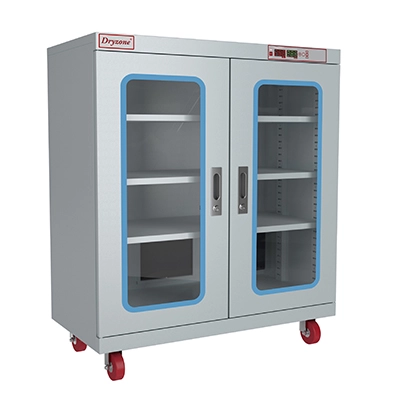
 To Know Dryzone More
In the fast-paced world of industrial applications, humidity control remains crucial in ensuring the integrity and longevity of sensitive components. This article delves into the latest innovations in baking dry cabinet technology, highlighting how advancements are reshaping the way industries manage humidity levels. From smart features that offer real-time monitoring to the incorporation of sustainable materials, we’ll explore how these innovations are not only enhancing performance but also promoting environmental responsibility. Join us as we navigate through the emerging technologies, benefits, and future trends that define the next generation of baking dry cabinets.
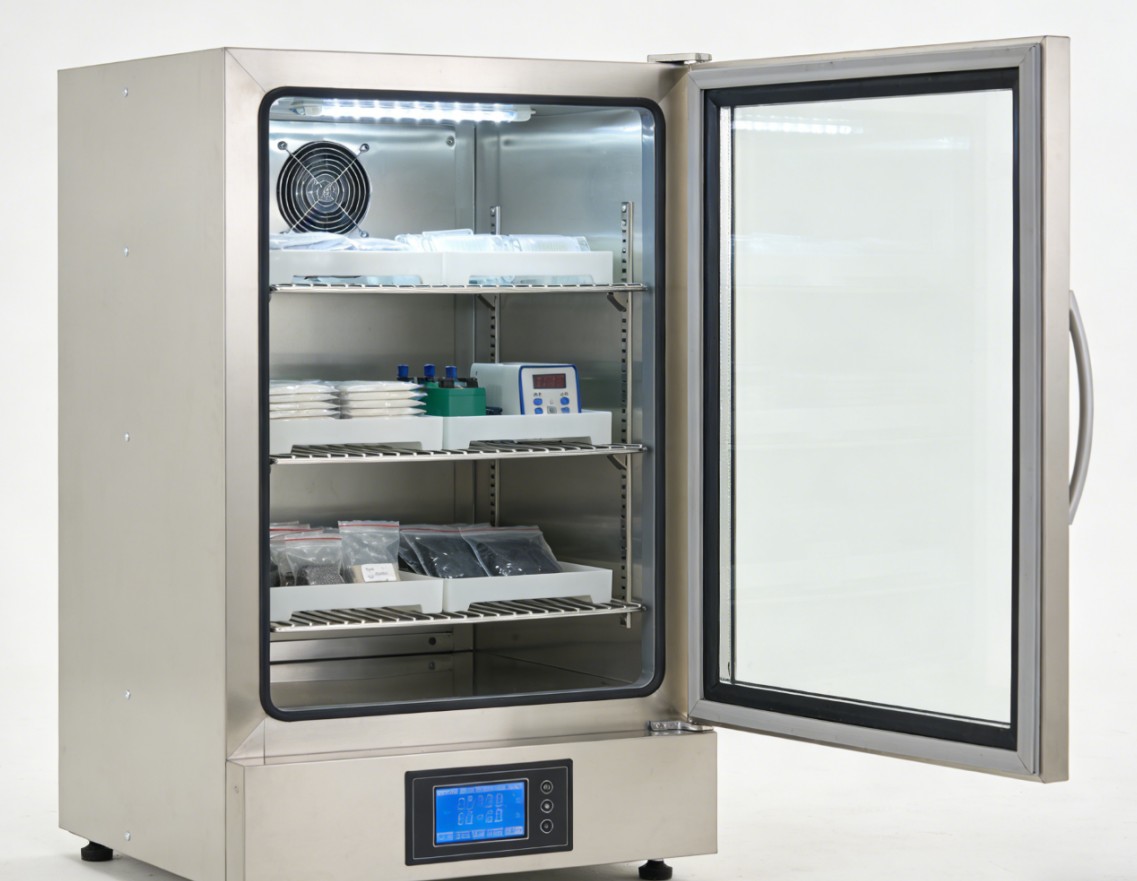
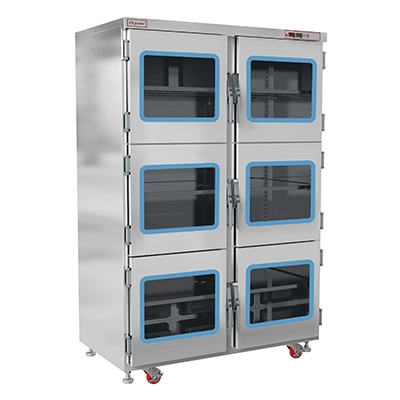
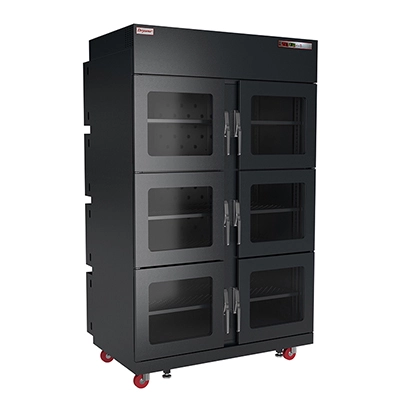
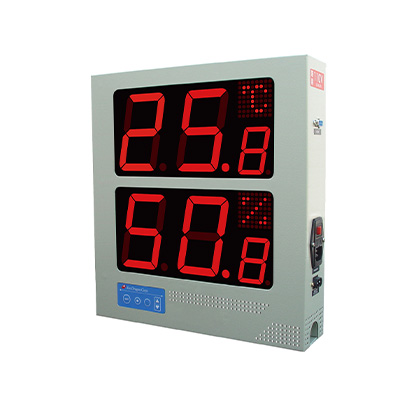
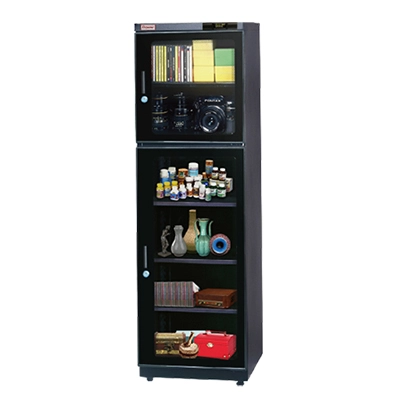
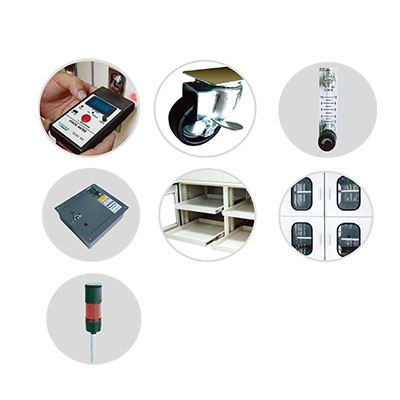
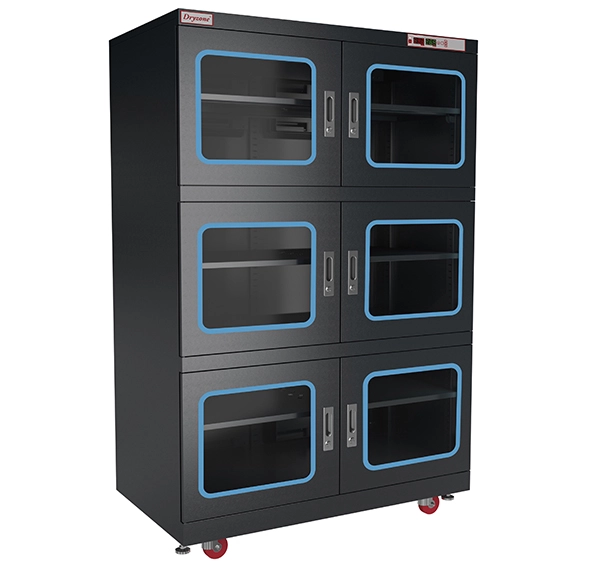
The realm of dry cabinet technology has significantly evolved, driven by the need for precision and efficiency. Modern baking dry cabinets now integrate advanced features such as digital hygrometers that provide real-time humidity readings with an accuracy margin of only +/-3% RH. Furthermore, these cabinets are engineered with modular designs, which allow companies to customize their setups based on specific requirements and to maintain dry air for industrial baking at optimal levels.
Moreover, the integration of automated processes means that users can remotely monitor and control the conditions inside cabinets. This ensures that sensitive materials remain protected, thus preserving their quality over time. This shift towards automation represents a significant step forward, reducing manual oversight while improving reliability and safety.
Smart baking dry cabinets offer a host of benefits that extend beyond basic drying functions. One of the most noteworthy advantages is the incorporation of IoT technology, allowing for enhanced connectivity and data analytics capabilities. Companies can now utilize predictive maintenance schedules, reducing downtime and enhancing productivity by monitoring not only the overall system but also individual dry cabinet parts. For example, automatic alerts can notify users of any deviations from set humidity levels, triggering immediate corrective actions. This proactive approach not only safeguards valuable materials but also leads to substantial cost savings by preventing damage caused by moisture-related issues. Additionally, with features that track usage patterns and optimize energy consumption, businesses can significantly reduce their environmental footprint.
The differences between traditional and modern baking dry cabinets are stark, primarily in terms of functionality and user experience. Traditional cabinets often lacked precision controls and relied heavily on manual monitoring, which can lead to human errors and potential mishandling of sensitive items.
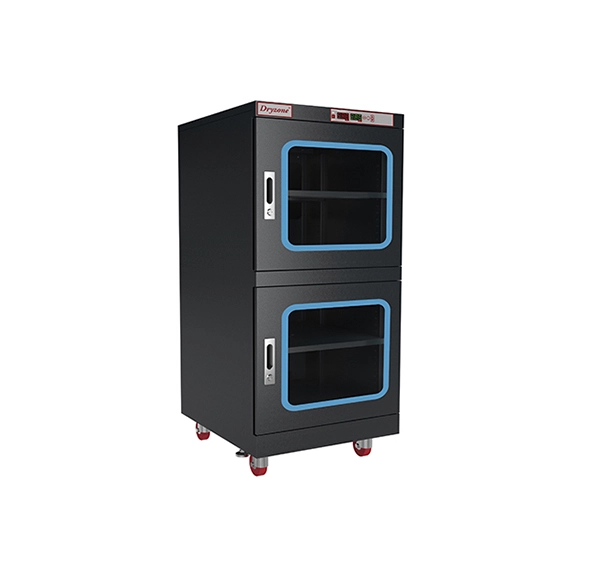
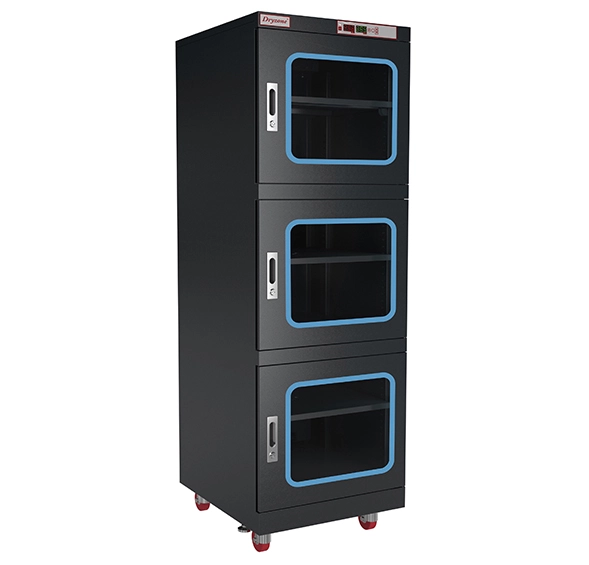
In contrast, modern dry cabinets, such as those provided by Dryzone, boast features that empower users with advanced capabilities. Digital controls, automated settings, and high-accuracy instruments streamline operations and enhance reliability. With specific models designed for varying humidity ranges (1-50% RH and 15-50% RH), organizations can select the perfect solution based on their unique needs.
These modern innovations help address challenges faced in various sectors — such as automotive electronics and optical communication — where maintaining optimal storage environments is crucial to uphold product integrity. The comparative analysis illustrates that investment in advanced technology is no longer a luxury but a necessity for competitiveness in today’s market.
The future of baking dry cabinet technology is poised for transformative growth, guided by trends in smart manufacturing and sustainable practices. As industries increasingly recognize the importance of advanced humidity control, we anticipate innovations like AI-driven algorithms that assist in predicting and managing environmental conditions in real time.
Furthermore, advancements in material science are expected to enhance the durability and functionality of dry cabinets, contributing to longer service life and improved energy efficiency. Many brands are already at the forefront, showcasing a commitment to continuous improvement and complying with rigorous international standards.
Additionally, as businesses strive for greener solutions, the use of eco-friendly materials in manufacturing will emerge as a key trend, marrying performance with sustainability. This aligns with the growing consumer demand for environmentally responsible practices across all industries.
Upgrading to modern baking dry cabinets presents a significant return on investment (ROI) for companies striving to enhance their operations. By mitigating risks associated with humidity damage, these advanced systems protect valuable assets, ensuring they remain in optimal condition.
Moreover, the reduction in operational costs through energy-efficient designs and predictive maintenance capabilities further justifies the initial investment. Businesses can expect to see a decrease in material waste and an increase in productivity as they transition to these innovative solutions.
In conclusion, we recommend that companies consider not just the immediate benefits of upgrading but also the long-term gains associated with improved efficiency and reduced risk. The future belongs to those who embrace innovation, making it essential to adopt modern technologies to stay ahead of the competition.
The innovations in baking dry cabinet technology are reshaping how industries manage humidity control. As we've explored, the benefits of smart features, emerging technologies, and sustainable practices are evident. Brands like Dryzone are leading the charge in providing cutting-edge solutions tailored to meet the diverse needs of industries reliant on precision. We encourage readers to further explore these advancements and consider how upgrading to modern solutions can enhance their operational efficiency and protect crucial materials.